Module 2.2: Biochemistry
Some of the bodies most important functions rely on a balance of salts and water. Its well know that Gatorade and other sports drinks and even some water all have "electrolytes". But what is an "electrolyte and why does your body need them? Is it possible to have to many electrolytes.
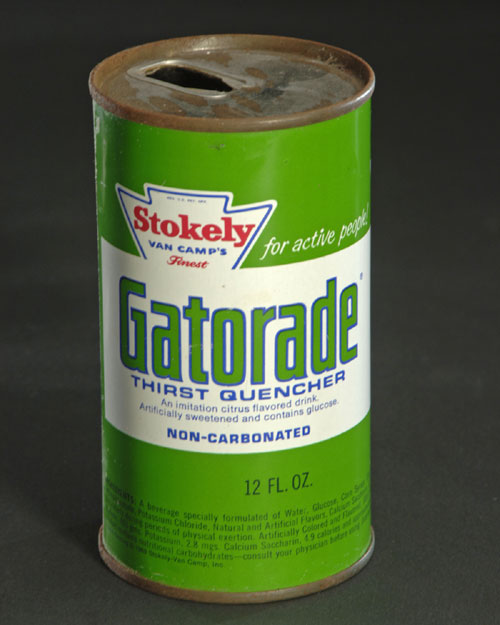
Module 2.5: Exploring Electrolytes and Sports Drinks
- Click here for the link and answer the questions below in your module 2.5 guide.
1.) How does the body lose salts?
2.) From what do electrolytes form?
3.) Where are electrolytes found in the body?
4.) What organs help keep electrolyte levels in the blood constant?
5.) Pick one of the electrolyte imbalances (hyponatremia, hypernatremia, hypokalemia, hyperkalemia)and describe:
- What it is
- What causes it
- Symptoms
- Treatment
Essential Vocab:
biochemistry, organic compounds, inorganic compounds, reactivity, hydrolysis reaction dehydration reaction, electrolytes, acids, bases, hydrogen ions, proton donors, bases, proton acceptors, hydroxyl ions, ammonia, pH units, neutralization, buffer, base, acid, electroneutral, polymers, monomers, carbohydrate, sugar, protein, amino acid, lipids, triglycerides, fatty acid, nucleic acid, monosaccharide, disaccharide, saturated fat, unsaturated fat, peptide bonds, enzymes, substrate, activation energy, deoxyribonucleic acid, ribonucleic acid, nucleotides, adenine, guanine, thymine, uracil, double helix, adenosine triphosphate (ATP)
Module Objectives:
5.1 – Explain the importance of salt and water in maintaining homeostasis.
5.2 – Define acids/bases and explain pH scale and its state in blood.
5.3 – Describe the building blocks, general structures, and biological functions of all major biomolecules (protein, carbohydrates, lipids, nucleic acids)
5.4 – Explain the role of dehydration synthesis and hydrolysis in the formation and breakdown of organic molecules.
5.5 – Describe the four levels of protein structure
5.6 – Indicate the function of molecular chaperones
5.7- Describe enzyme properties and action
5.8 – Explain the role of ATP in cell metabolism
5.9 – Compare and contrast DNA and RNA