Module 7.2 - The Central Nervous System
The hub of all processing within the nervous system. This is where are sensations and incoming signals are processed, whether it's within the brain or the spinal cord. The human brain will be the highlight of this section. With amazing ability to process and store information, it is one of the most amazing organs in all of the biological world.
Module 7.2 Warm-Up
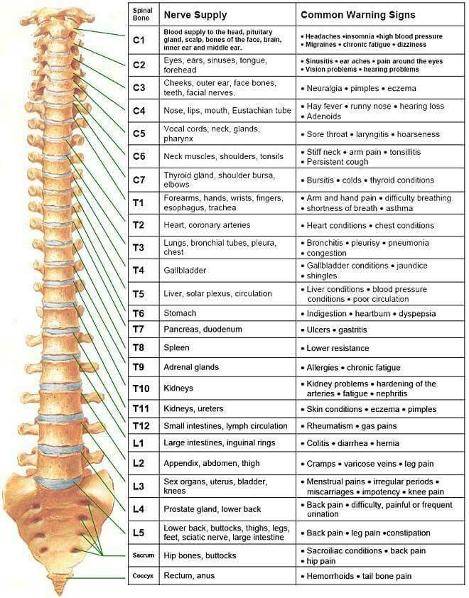
- Directions: Within in your module guide, label the sections of the spinal cord (both the major sections and each vertebra associated with it) and determine one major function per spinal nerve (per vertebra)!!
example: the C3 spinal nerve controls the diaphragm in the chest- breathing.
Resources:
Essential Vocab:
neural
plate, neural folds, neural groove, neural tube, neural crest, primary brain
vesicle, proencephalon, forebrain, mesencephalon, midbrain, rhombencephalon,
hindbrain, secondary brain vesicle, telecephalon diencephalon, metaincephalon,
cerebellum, cerebrum, brain stem, ventricles, septum pellucidum, forth
ventricles, median aperture, lateral apertures, gyri, sulci, fissures, frontal
lobe, temporal lobe, cerebral cortex, Brodmass areas, pyramidal cells, somatotopy,
motor homunculi, premotor cortex, frontal eye field, visual association area,
auditory association area, olfactory cortex, gustatory cortex, multimodal
association area, anterior association area, posterior associated area, limbic
association area, lateralization, cerebral dominance, cerebral white matter,
basal ganglia, association fibers, diencephalon, thalamus, interthalamic,
adhesion, hypothalamus, infundibulum, pituitary gland, epithalamiums, midbrain,
brain stem, corpora quadrigemia, superiorcolliculi, substantia nigra, pons,
medulla oblongata, medulla, cochlear nuclei, nucleus gracilis, limbic system,
reticular function, consciousness, fainting, syncope, narcolepsy, insomnia,
memory consolidation, long-term action potential, meninges, dura mater,
arachnoid matter, pia mater, cerebral spinal fluid, choroid plexuses, blood
brain barrier, spinal cord, basal plate, filum terminale, lateral horns,
ventral roots, ganglion, spinal ganglion
Module Objectives:
The Brain
1. Describe the process of brain development.
2. Name the major regions of the adult brain.
3. Name and locate the ventricles of the brain.
4. List the major lobes, fissures, and functional areas of the cerebral cortex.
5. Explain lateralization of hemisphere function.
6. Differentiate between commissures, association fibers, and projection fibers.
7. Describe the general function of the basal nuclei (basal ganglia).
8. Describe the location of the diencephalon, and name its subdivisions and functions.
9. Identify the three major regions of the brain stem, and note the functions of each area.
10. Describe the structure and function of the cerebellum.
11. Locate the limbic system and the reticular formation, and explain the role of each functional system.
Higher Mental Functions
12. Define EEG and distinguish between alpha, beta, theta, and delta brain waves.
13. Describe consciousness clinically.
14. Compare and contrast the events and importance of slow-wave and REM sleep, and indicate how their patterns change through life.
15. Compare and contrast the stages and categories of memory.
16. Describe the relative roles of the major brain structures believed to be involved in declarative and procedural memories.
Protection of the Brain
17. Describe how meninges, cerebrospinal fluid, and the blood-brain barrier protect the CNS.
18. Describe the formation of cerebrospinal fluid, and follow its circulatory pathway.
19. Indicate the cause (if known) and major signs and symptoms of cerebrovascular accidents, Alzheimer’s disease, Parkinson’s disease, and Huntington’s disease.
The Spinal Cord
20. Describe the embryonic development of the spinal cord.
21. Describe the gross and microscopic structure of the spinal cord.
22. List the major spinal cord tracts, and classify each as a motor or sensory tract.
23. Distinguish between flaccid and spastic paralysis, and between paralysis and paresthesia.
Diagnostic Procedures for Assessing CNS Dysfunction
24. List and explain several techniques used to diagnose brain disorders.
Developmental Aspects of the Central Nervous System
25. Indicate several maternal factors that can impair development of the nervous system in an embryo.
26. Explain the effects of aging on the brain.